
Delirium is common
Delirium is very common. The following information describes some of the key statistics about delirium:
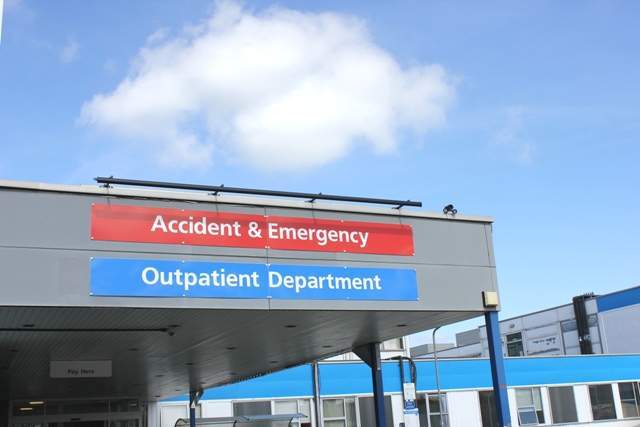
Delirium affects 1 in 4 (25%) older adults who attend accident and emergency.
Delirium affects 50% of people on a geriatric assessment ward in a general hospital.

Delirium affects up to 25% of care home residents at any one time.

Others often do not recognise delirium
Health professionals often do not recognise delirium when someone is experiencing it. It is common for a person to be misdiagnosed with other illnesses instead of delirium. It is important to note that it can be difficult to recognise the signs of delirium in a patient who has dementia or in someone with a mental health issue. This is because the signs and symptoms can be confused.
This course’s aim is to raise awareness about the signs and symptoms of delirium. Therefore, people should ask the single question in delirium (SQID).
‘Is this person more confused lately?’
Someone who is caring for the person, perhaps a nurse, family member or carer can recognise the acute changes. Acute changes are signs and symptoms which occur quickly. The changes in a person who is suffering from delirium often happen within a matter of hours or days.
Serious complications often result from delirium.
Delirium can lead to serious problems for the person who experiences it. These include:
- Struggling to look after yourself, for example experiencing difficulty getting dressed or bathing. This is called functional decline.
- Not being able to think as clearly or remember things as well. This is called cognitive decline.
- Being 8 times more likely to get dementia.
- Having longer stays in hospital.
- Being institutionalised.
- Having a greater chance of becoming ill and dying.
What has happened is likely to be upsetting for both the person with delirium and their carers and families.
Delirium is preventable
According to the National Institute for Health and Clinical Excellence delirium can be prevented in 30% of cases. There are things that you can do to prevent delirium in anyone at risk. Below is a list of the different ways staff can help prevent delirium, as well as things which may make it worse.
Could prevent delirium
- Only move the person if you have to and keep them in familiar surroundings.
- Ask for the medication their taking to be reviewed, if they’re taking more than one kind.
- Make sure the person is looked after by people they are familiar with.
May make delirium worse
- Do not keep moving them to different places which they are not familiar with.
- Do not monitor the person’s medication.
- Additionally, do not just anyone look after the person.
Some things to think about
- Can you understand why people might not see that it’s delirium?
- Has anyone you know been more confused lately?
- Will you ask them the single question in delirium (SQiD)?